

Angkor: The Liquid Heart of an Empire directed by Giuseppe Ierise
28 February 2026
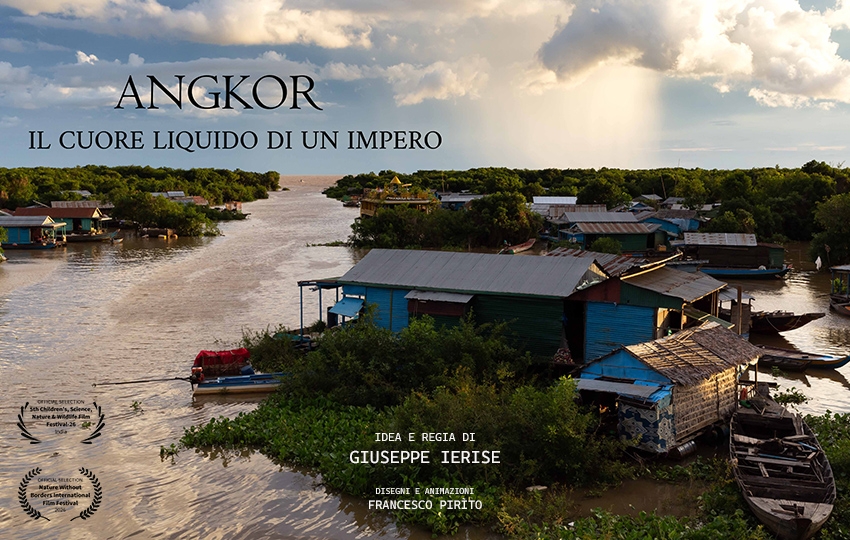
Angkor: The Liquid Heart of an Empire
Water does not remember civilizations. Civilizations depend on water.
Angkor: The Liquid Heart of an Empire explores how one of the greatest empires in history rose—and ultimately declined—according to the way it managed water. Through the remains of the Angkor civilization in Cambodia and contemporary life that still flows around its ancient reservoirs and canals, the film weaves past and present into a reflection on how hydraulic systems shape survival, power and fragility.
Rather than offering simplified solutions, the documentary invites viewers to contemplate water as a cultural, spiritual and political force—an invisible architecture connecting landscape, infrastructure, memory and human destiny. A guiding narrator provides historical context, while the visual language alternates between observational footage and carefully composed photographic sequences, including animated drawings that reconstruct ancient hydraulic visions.
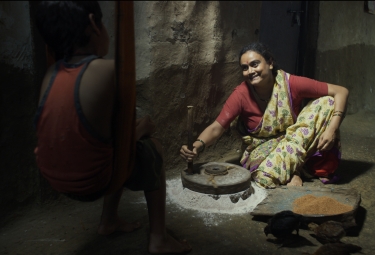
The filmmaking journey was deeply immersive. The crew traveled long distances by tuk- tuk beneath vast Cambodian skies, crossed rural landscapes where water buffalo still move slowly through flooded fields, and spent extended periods living close to local communities. Nights were shared in wooden huts, conversations unfolded across language barriers, and everyday gestures revealed how water continues to shape daily life.
This proximity transformed the project. What began as historical research became a lived experience of resilience and adaptation. The film ultimately reflects not only on the Khmer Empire’s extraordinary engineering achievements, but also on the universal tension between human ambition and environmental limits.
Through a balance of movement and stillness, voice and silence, the documentary seeks to create space for reflection—reminding us that the story of Angkor is not only about the past, but about the ecological questions that define our shared future.



.jpg)


.jpg)




.jpg)