El payaso directed by Salvador Quesada.
22 October 2026
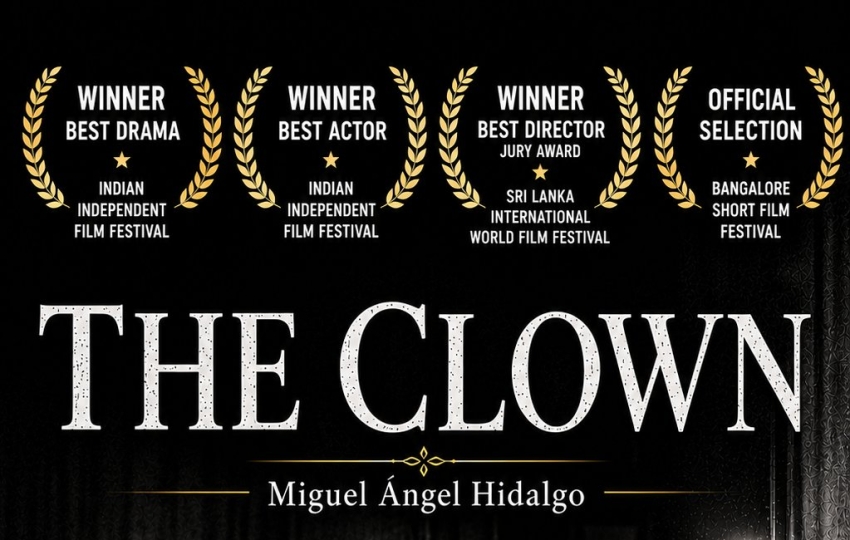
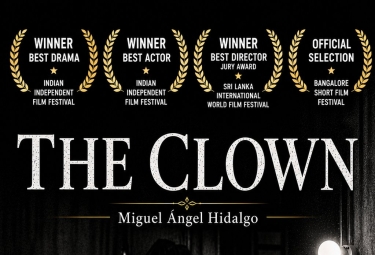
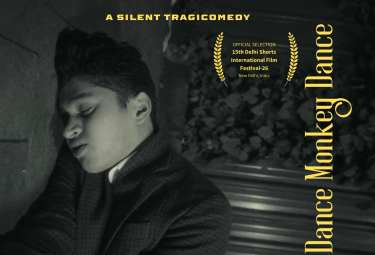
The Clown is a black-and-white short film that explores the fragile boundary between appearance and reality, performance and identity, and the emotions that remain hidden behind a public face.
Inspired by the tragic world of opera, particularly the emotional universe associated with Pagliacci, the film approaches the figure of the clown from an introspective and poetic perspective. Behind the painted face and theatrical gestures, another world may exist, shaped by loneliness, vulnerability, memory and unspoken pain.
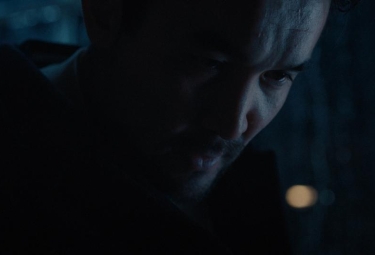
Through its monochromatic imagery and carefully constructed atmosphere, the film seeks to create a visual experience that goes beyond conventional storytelling. Black and white become more than an aesthetic choice: contrasts, shadows, expressions and silences acquire their own dramatic meaning.
Rather than relying on extensive dialogue or explicit explanations, the film invites the audience to observe, interpret and feel. Its visual language emphasizes the expressive potential of the human face and body, allowing gestures and silences to communicate what words cannot always reveal.
At its heart, The Clown reflects on the masks people wear and the distance that can separate what the world sees from what a person experiences internally. The character becomes a symbol of the contradictions inherent in human existence: the desire to be seen and understood, the need to conceal vulnerability, and the difficulty of revealing one's authentic self.
For Salvador Quesada, a director and screenwriter from the Canary Islands, Spain, cinema is a means of exploring human behaviour, emotion and the complexity of personal experience. With The Clown, he offers a concise, visually driven work that invites viewers to look beyond appearances and discover the silence behind the performance.
Ultimately, The Clown asks a simple but profound question: when the performance ends and the mask remains, who is the person underneath?